

Prefab Rooms
The Future of Construction
In recent years, the construction industry has seen a significant shift towards the use of prefabricated rooms, also known as prefab rooms. This innovative approach to building is revolutionizing the way we think about construction, offering numerous advantages over traditional methods.
The construction industry has long relied on traditional building methods, which involve assembling structures piece by piece on-site. While this approach has served us well for centuries, it comes with its own set of challenges, including lengthy construction times, high labor costs, and susceptibility to weather-related delays. In contrast, prefab rooms are built off-site in a controlled factory environment and then transported to the construction site for assembly. This method offers a range of benefits that make it an attractive alternative to conventional construction.

The Concept of Prefab Rooms
Prefabrication, or prefab, involves manufacturing building components in a factory setting before transporting them to the construction site for assembly. Prefab rooms are complete sections of a building, such as bathrooms, kitchens, or even entire living spaces, that are constructed off-site. These modules are then delivered to the site where they are quickly and efficiently assembled into the final structure.
Types of Prefab Rooms
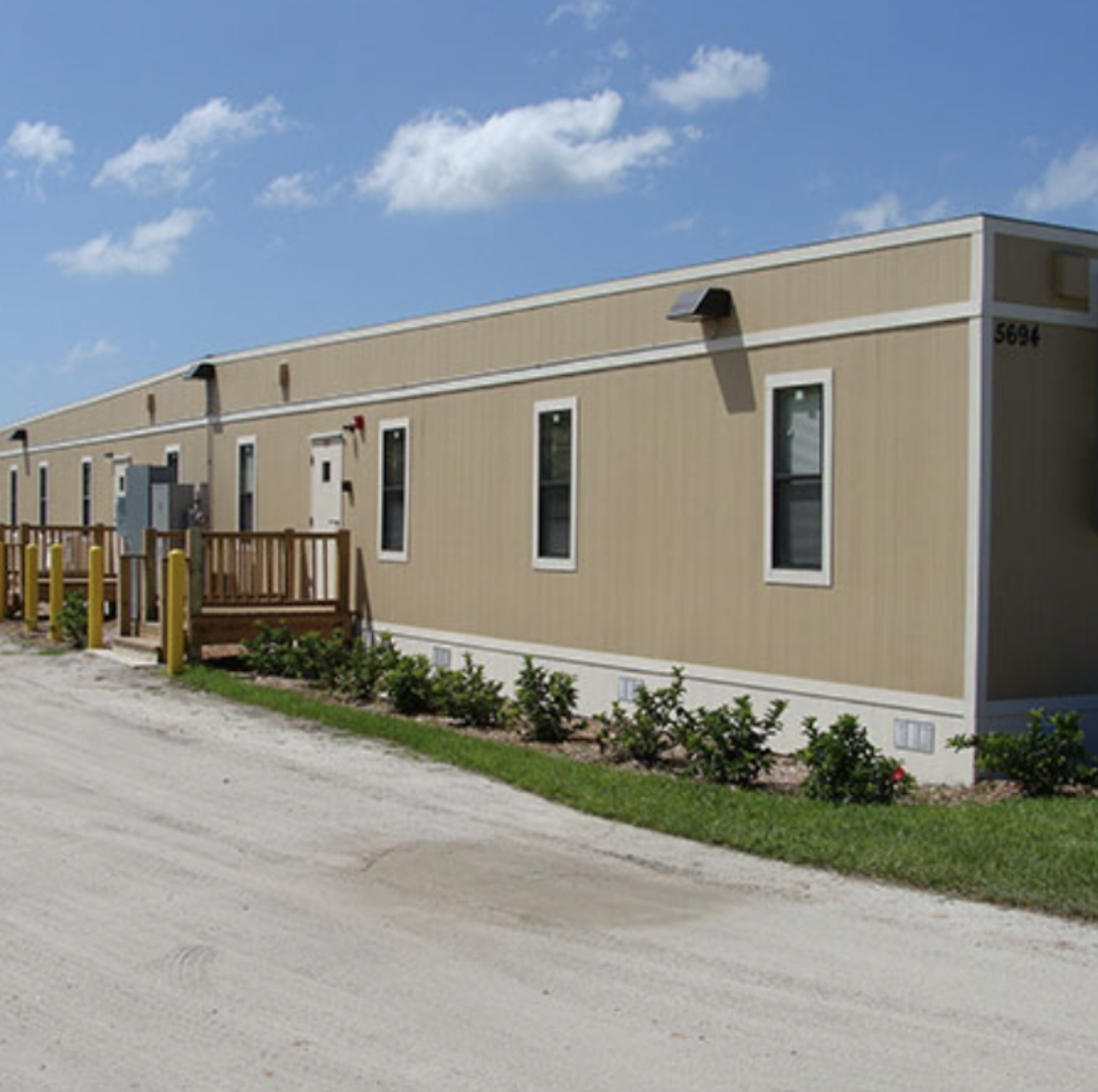
Modular Rooms: These are fully constructed rooms or sections of a building that are built in a factory and then assembled on-site. Each module is designed to fit seamlessly with the others, creating a cohesive structure.
Panelized Systems: In this approach, walls, floors, and roof panels are prefabricated and then assembled on-site. This method offers more flexibility in design compared to modular rooms.
Component Systems: Individual components, such as wall sections or roof trusses, are prefabricated and then assembled on-site. This method allows for customization and is often used in conjunction with traditional construction techniques.
Benefits of Prefab Rooms
Time Efficiency
One of the most significant advantages of prefab rooms is the time savings they offer. Traditional construction projects can take months or even years to complete, with many variables that can cause delays. Prefab rooms, on the other hand, are built in a controlled factory environment where weather conditions do not affect the construction process. This allows for simultaneous site preparation and module construction, significantly reducing the overall project timeline.
Cost-Effectiveness
Prefab construction can be more cost-effective than traditional methods. The controlled factory environment allows for better resource management, reducing waste and improving efficiency. Additionally, labor costs are typically lower since the majority of the work is done in a factory setting where skilled labor is readily available and work conditions are optimized for productivity.
Quality Control
Building prefab rooms in a factory setting allows for stringent quality control measures to be implemented. Each module is constructed to precise specifications and undergoes rigorous inspections to ensure it meets all relevant standards and codes. This level of quality control is often difficult to achieve with traditional on-site construction, where variables such as weather and varying skill levels of workers can affect the final outcome.
Sustainability
Prefab construction is inherently more sustainable than traditional methods. The controlled environment allows for more efficient use of materials, reducing waste. Additionally, the factory setting enables the use of sustainable building practices and materials that might be challenging to implement on a traditional construction site. The reduced construction time also means fewer emissions from machinery and transportation.
Flexibility and Customization
While some may think prefab construction limits design options, this is far from the truth. Modern prefab techniques offer a high degree of flexibility and customization. Architects and builders can work together to create unique designs that meet the specific needs and preferences of clients. Whether you need a simple addition to your home or a complex multi-story building, prefab construction can accommodate a wide range of designs.
Reduced Site Disruption
Traditional construction projects can be highly disruptive to the surrounding area, with noise, dust, and heavy machinery affecting nearby residents and businesses. Prefab construction minimizes on-site disruption since the majority of the work is done off-site. This results in a quieter, cleaner, and less intrusive construction process.
Improved Safety
Construction sites can be hazardous, with risks of accidents and injuries. Prefab construction improves safety by moving much of the work to a controlled factory environment where safety protocols are easier to enforce. This not only protects workers but also reduces the risk of accidents on the construction site.
Practical Applications of Prefab Rooms
Prefab rooms are versatile and can be used in a variety of applications, from residential to commercial and industrial projects.
Residential Construction
Prefab rooms are becoming increasingly popular in residential construction. Homeowners can benefit from the speed and efficiency of prefab construction, allowing them to move into their new homes faster. Prefab rooms can be used for entire homes or for specific sections such as bathrooms, kitchens, and bedrooms. This approach also allows for easy expansion and modification, making it a flexible option for growing families.
Commercial Construction
In the commercial sector, prefab construction offers numerous advantages. Hotels, office buildings, and retail spaces can be constructed quickly and efficiently, minimizing downtime and allowing businesses to start operations sooner. The high level of quality control in prefab construction ensures that commercial buildings meet all necessary standards and provide a comfortable and safe environment for occupants.
Industrial Construction
Prefab rooms are also useful in industrial construction, where speed and efficiency are critical. Factories, warehouses, and other industrial facilities can benefit from the quick assembly and high-quality construction of prefab rooms. The ability to customize modules to meet specific industrial needs makes this an attractive option for many companies.
The Future of Prefab Construction
The future of prefab construction looks bright, with ongoing advancements in technology and materials. Innovations such as 3D printing and robotics are being integrated into the prefab process, further enhancing efficiency and customization options. As the construction industry continues to evolve, prefab rooms are likely to become an increasingly common choice for a wide range of projects.
Technological Advancements
The integration of technology in prefab construction is driving significant improvements. 3D printing allows for the creation of complex and customized building components with high precision. Robotics and automation are streamlining the manufacturing process, reducing labor costs and improving quality control. These advancements are making prefab construction more accessible and appealing to a broader range of clients.
Sustainable Building Practices
As the demand for sustainable building practices grows, prefab construction is well-positioned to meet this need. The controlled factory environment allows for the use of eco-friendly materials and practices that might be challenging to implement on a traditional construction site. Additionally, the reduced waste and energy efficiency of prefab construction contribute to a smaller environmental footprint.
Increased Adoption and Awareness
As more people become aware of the benefits of prefab construction, its adoption is likely to increase. Homeowners, developers, and businesses are recognizing the value of this innovative approach, and demand is growing. This increased demand is driving further investment and innovation in the prefab industry, leading to even better and more efficient construction solutions.
Prefab rooms represent a significant advancement in the construction industry, offering numerous benefits over traditional building methods. From time and cost savings to improved quality control and sustainability, prefab construction is a smart choice for a wide range of projects. Whether you’re building a new home, expanding a commercial space, or developing an industrial facility, prefab rooms can provide a fast, efficient, and high-quality solution.
If you’re considering prefab construction for your next project, look no further than Blok Modular Constructors. With a proven track record of delivering exceptional prefab rooms and a commitment to quality and customer satisfaction, Blok Modular Constructors is your ideal partner for bringing your vision to life. Contact them today to learn more about how prefab rooms can benefit your construction project and see the future of building firsthand.